You are here:

Babies and toddlers

Toddler wearing a sun hat and playing with a hand shovel and sand.

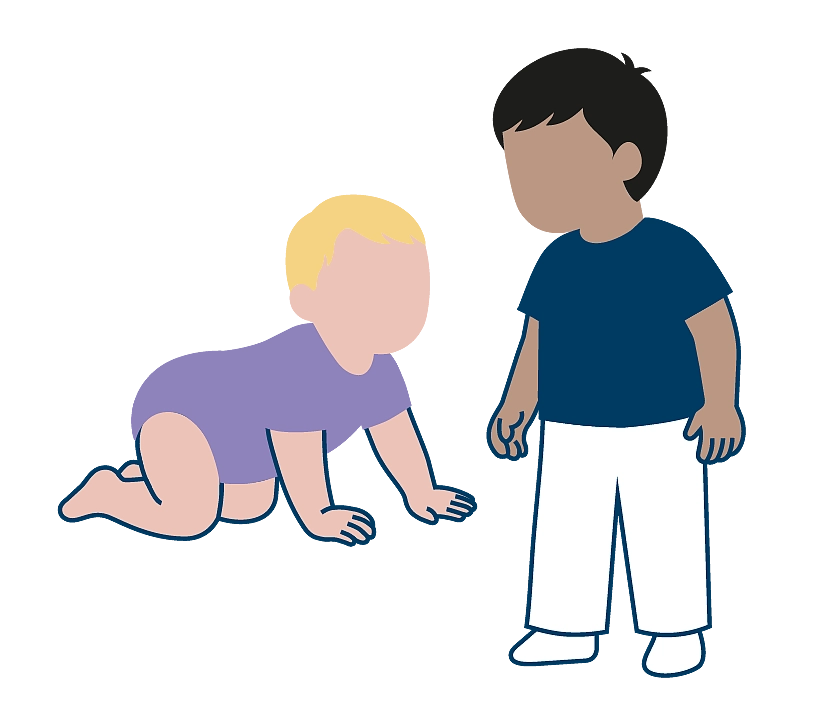
Babies and especially newborns are not yet fully able to regulate their body temperature themselves and keep it constant. The ratio of body surface area to body weight is greater in young children than in adults. For this reason, they lose fluid more quickly through sweating and overheat more quickly. Moreover, they often have little or no thirst, are not yet able to express their thirst and forget to drink while playing.

Dehydration

You can recognise dehydration in young children by these signs:

  • Thirst
  • Whiny, irritable mood
  • Fewer wet nappies due to less urine output
  • Sunken frontal fontanelle in babies
  • Dehydration fever

Overheating

Even slight overheating can lead to irritability, reddening of the skin, sluggishness or fever. In the worst case, there is risk of circulatory collapse or heat stroke.

Ultraviolet radiation

Especially in babies and toddlers, attention must be paid to the sun’s rays, since these contain UV radiation, to which the skin reacts particularly sensitively. The babies’ skin is still very thin and has no sun protection of its own. If the skin is already exposed to too much UV radiation in childhood, the risk of developing skin cancer increases in the course of life. Prevention is therefore very important.
The risk of sunstroke is many times higher in babies and toddlers than in adults.
Heat protection

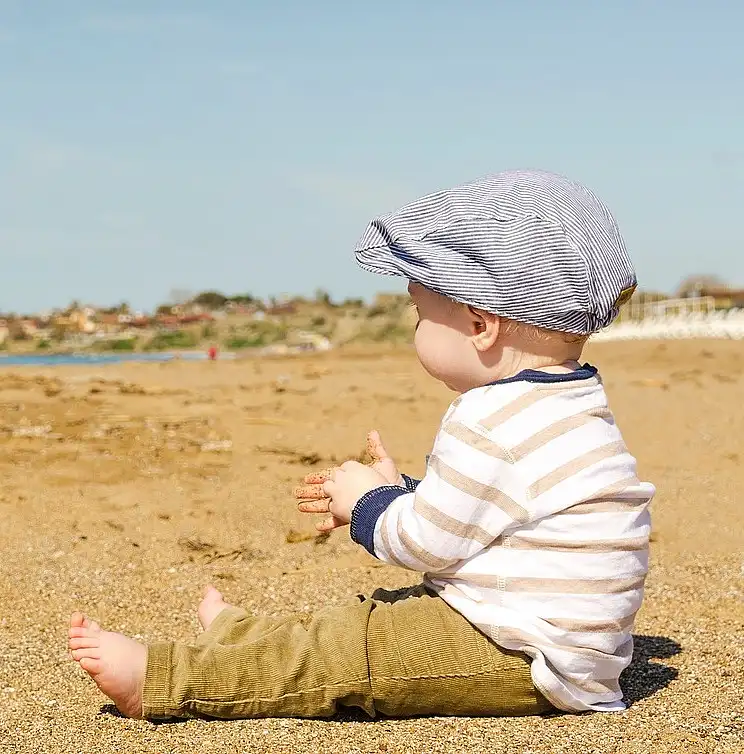
A toddler sits on a beach, dressed in long clothing and wearing a hat.

In addition to our general tips, you can protect babies and toddlers from heat in this way:

  • Have them drink frequently or breastfeed more often – even if they show no signs of thirst
  • Stay in the shade – children under 12 months of age in particular should not be exposed to direct sunlight.
  • Do not stay outdoors during the midday sun.
  • Play in a cool environment – water games in the shade are ideal.
  • Use a sun sail for the pram or pushchair. Never cover with a cloth, as this can lead to heat build-up.
  • Ensure light, airy clothing and headgear with neck protection: densely woven garments made of cotton or linen. Long light clothes are better than short ones.
  • Wear UV clothing when playing with water.
  • Use special sunscreen developed for children. Reapply after playing in water.
  • Avoid sunscreen for babies as much as possible. Protect the skin with clothing or shade.
  • Check the body temperature in the neck: if the skin is hot and dry, immediately seek shade and cool.
Farbverlauf rot blau · Leo Lindl