


 language
 Deutsch
Warm temperatures can put a strain on the human body and thus affect health. It is particularly stressful for your well-being and health when temperatures exceed 30 °C during the day and do not fall below 20 °C at night. The body cannot recover sufficiently during these nights.
The body adapts to deal with the heat. The blood vessels dilate and allow the body to release excess heat. However, in incessant and high heat, this natural adaptation can have an impact on the health. If the body is no longer able to adapt sufficiently to the heat and regulate body temperature, serious health risks can occur. Certain groups of people, such as the elderly, children and people with pre-existing conditions, are more affected by heat because they cannot adapt so well to the high temperatures.
The body adapts to deal with the heat. The blood vessels dilate and allow the body to release excess heat. However, in incessant and high heat, this natural adaptation can have an impact on the health. If the body is no longer able to adapt sufficiently to the heat and regulate body temperature, serious health risks can occur. Certain groups of people, such as the elderly, children and people with pre-existing conditions, are more affected by heat because they cannot adapt so well to the high temperatures.
Consequences of the heat are, for example:
A long stay in the sun can lead to heat stroke or sunstroke. The following table describes the symptoms by which you can recognise heat stroke and sunstroke.
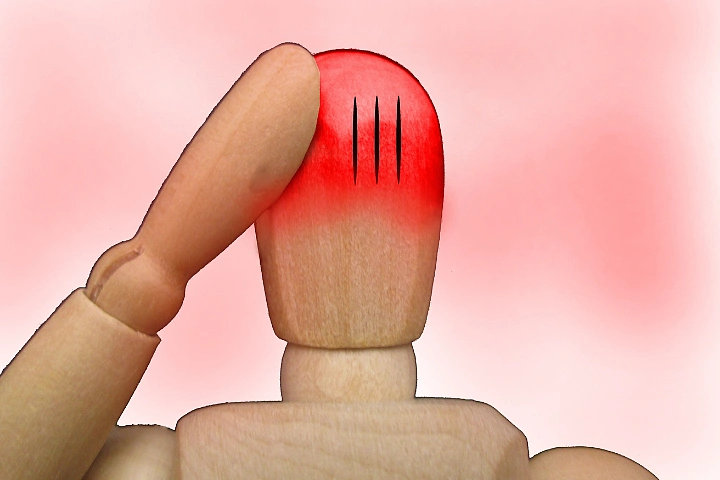
Sunstroke occurs when the brain overheats. The meninges become irritated. You can recognize sunstroke by the following symptoms:
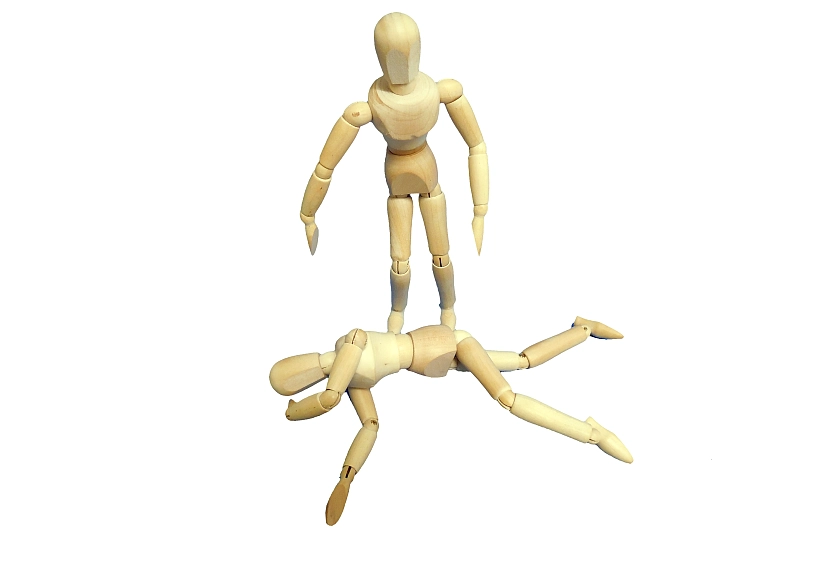
In heatstroke, the body temperature rises too high. The body can no longer cool down and overheats.
You can recognize heatstroke by the following symptoms:
[KISTE The core body temperature can increase to over 40 °C;
The whole body is affected;
Hot, dry skin, no sweating;
Headache;
Nausea, vomiting;
Reduced state of consciousness;
Accelerated pulse and breathing]

Heat stroke is always an emergency. DIAL THE EMERGENCY NUMBER 112 IMMEDIATELY! Immediately move the person to a shady, cool place. Cool the forehead and neck. If they are unconscious, put the person into the recovery position and check their breathing.
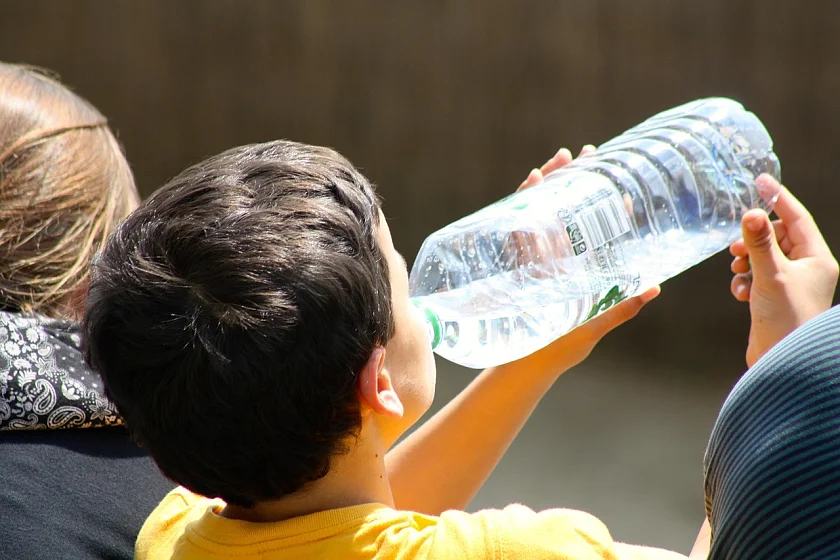
At high temperatures, it is important to drink enough, otherwise it can easily lead to a lack of fluids, in other words dehydration.
Signs of dehydration include: